Overview of Singapore
Education
Asia’s Leading Hub for Quality, Career-Focused Education
Singapore’s education system is internationally recognized for its high academic standards, bilingual curriculum, and strong industry alignment. Built on innovation, discipline, and inclusion, it offers diverse pathways for students of all backgrounds – whether you’re pursuing a diploma, degree, or planning to transfer globally.

Key Highlights

Globally Ranked Institutions
Home to top Asian universities like NUS and NTU, known for research, innovation, and academic excellence.

Diverse Program Options
Choose from technical diplomas, applied degrees, and pathway programs across business, IT, hospitality, logistics, and more.

Bilingual Advantage
English is the medium of instruction, making it an accessible destination for international students, especially from South Asia.

Industry-Relevant Curriculum
Programs are designed in close partnership with employers, ensuring you’re job-ready upon graduation.

Multiple Entry Points
From post-10th and post-12th to graduate studies, there’s an option for every stage of your academic journey
Choosing the Right Institution
- Step 1 - Understand Your Goals
- Step 2: Know Your Options – IHLs vs PEIs
- Step 3: Choosing a Private School
- Step 4: Choosing the Right Course
- Final Tip: Make an Informed Choice
Understand Your Goals

Before choosing a course or institution, it's important to evaluate your personal situation and academic background. Start by asking: What is your total budget for tuition fees, accommodation, and living costs? Are you eligible for any scholarships, grants, or financial aid? Your current academic qualifications and grades will also determine which types of programmes you can apply for. For instance, students with strong academic records may gain entry into public universities, while others may consider private institutions or pathway programmes.
You should also identify the type of learning experience you're looking for. Do you prefer a vocational course with practical training and immediate job opportunities, or an academic course that can lead to further studies or a professional career? Pathway programmes, offered by many private institutions, are ideal for students who wish to progress gradually from a diploma to a degree. If gaining industry experience is important to you, consider programmes that offer industrial attachments or on-the-job training (OJT). Finally, think about whether you want to study full-time or part-time, and whether you meet the English language proficiency requirements such as IELTS or TOEFL, especially if you're an international student.
Know Your Options – IHLs vs PEIs

Singapore’s education system includes two main types of institutions: Institutes of Higher Learning (IHLs) and Private Education Institutions (PEIs). IHLs include publicly funded universities, polytechnics, and the Institute of Technical Education (ITE). These institutions are well-regulated, offer high academic standards, and generally provide subsidised tuition fees for local students. They also offer strong links to industry and high graduate employment rates.
Private Education Institutions (PEIs), on the other hand, are privately run and offer a broad variety of programmes—ranging from diplomas and degrees to fast-track and overseas university pathways. PEIs often have more flexible entry requirements and course structures. While they can be a great alternative, especially for international students or those who want specific niche programmes, it's crucial to evaluate the credibility and recognition of the qualifications offered.
Choosing a Private School – Key Questions
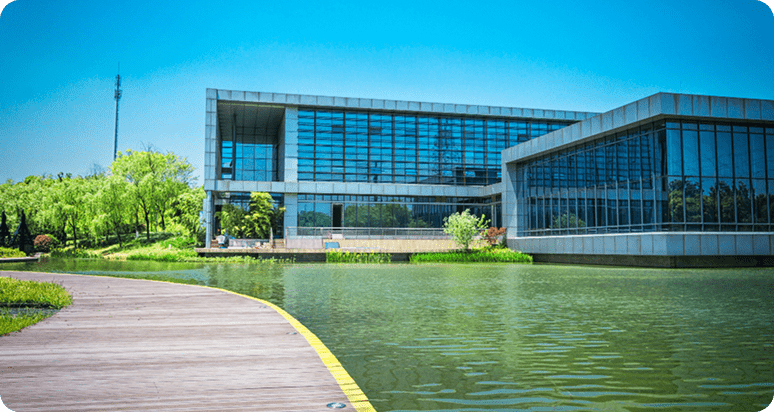
If you are considering a private school, it is essential to ensure the institution is credible and meets regulatory standards. Start by checking whether the school is registered with SkillsFuture Singapore (SSG), the governing body that oversees all private education institutions in Singapore. Registration is mandatory for legal operation. Look for EduTrust certification, which signifies that the school has met minimum quality standards in areas such as academic processes, financial stability, and student protection.
Visit the school in person if possible to assess its facilities, learning environment, and student support services. Ensure that your course fees are protected under the Fee Protection Scheme (FPS), which safeguards your payments in the event that the school is unable to continue operations. Be cautious of institutions that make exaggerated claims, such as guaranteed employment or university admission. Check whether academic support like remedial classes or personal tutoring is available if you face difficulties during your course. It is also important to understand how student complaints are managed and to know who you can approach for help with academic or administrative issues, such as grade appeals or feedback. A reputable school will have clear, student-friendly processes in place.
Choosing the Right Course

Once you've selected a school, take a closer look at the course you're interested in. Ensure that the course is recognised by SSG or relevant professional bodies, especially if it's in regulated fields like healthcare, finance, or engineering. Find out whether the qualification is accepted by employers or other institutions for further studies. Review the course content, structure, duration, and graduation requirements to make sure it aligns with your career or academic goals.
Ask about the number of re-examinations allowed, as some institutions place limits on how many times a student can retake a module. If you're planning to continue your studies later, check whether the course articulates into a higher-level qualification such as a bachelor's or master's degree. It's also important to verify that instructors are qualified and experienced in the field. You may also want to research the programme’s graduate outcomes—what percentage of students successfully graduate and find employment? Lastly, confirm whether the course includes practical elements like internships, project work, or OJT, which can give you an edge in the job market.
Make an Informed Choice

Choosing the right course and institute requires time, research, and reflection. Take the opportunity to visit campuses, attend open houses, and speak with current students or alumni to gain insights. Compare not just course content and fees but also graduation outcomes, support systems, and learning environments. A well-informed decision today will lay a strong foundation for your academic journey and future career in Singapore.
The right institution
doesn’t just teach you — it transforms you.
Institute Of Higher Learning
Singapore Polytechnic
Temasek Polytechnic
Nanyang Polytechnic
Ngee Ann Polytechnics
Republic Polytechnic
National University of Singapore
Nanyang Technological University
Singapore Management University
Singapore University of Social Sciences
Singapore University of Technology and Design
Singapore Institute of Technology

University of Nevada, Las Vegas – Singapore
DigiPen Institute of Technology

German Institute of Science and Technology – TUM Asia
Sorbonne-Assas International Law School
École Supérieure des Sciences Économiques et Commerciales

INSEAD (Singapore)
SP Jain School of Global Management
University of Chicago – Booth School of Business
Lasalle college of the arts
Maritime and Port Authority of Singapore
University of the Arts Singapore
Nanyang Academy of Fine Arts
Singapore Polytechnic
Temasek Polytechnic
Nanyang Polytechnic
Ngee Ann Polytechnics
Republic Polytechnic
National University of Singapore
Nanyang Technological University
Singapore Management University
Singapore University of Social Sciences
Singapore University of Technology and Design
Singapore Institute of Technology
University of Nevada, Las Vegas – Singapore
DigiPen Institute of Technology
German Institute of Science and Technology – TUM Asia
Sorbonne-Assas International Law School
École Supérieure des Sciences Économiques et Commerciales
INSEAD (Singapore)
SP Jain School of Global Management
University of Chicago – Booth School of Business
Lasalle college of the arts
Maritime and Port Authority of Singapore
University of the Arts Singapore
Nanyang Academy of Fine Arts
Private Education
Private education in Singapore is regulated by Singapore SkillsFuture (SSG). All PEIs (Private Education Institutes) operating in and from Singapore must be registered with the SSG under the Enhanced Registration Framework (ERF). The Enhanced Registration Framework (ERF) sets the minimum standards that all Private Education Institutions (PEIs) must meet through the mandatory registration requirements. It included registration of own courses (Cert, Diploma, Advanced Diploma and Post graduate diploma) and external degree programs (awarded by foreign institutions).
EduTrust Certification Scheme is a quality assurance scheme administered by the SSG for PEIs in Singapore. The scheme provides a means for better PEIs to differentiate themselves as having achieved higher standards in key areas of management and provision of educational services.

Three types of certifications are as below

EduTrust Star
The EduTrust Star Award is conferred upon Private Education Institutions (PEIs) that demonstrate an exceptional level of performance in institutional management, and in delivering high-quality education and student support services. It represents the highest level of recognition under the EduTrust Certification Scheme and serves as a mark of excellence. The award is valid for a period of up to four years.

EduTrust
The EduTrust Award is granted to Private Education Institutions (PEIs) that have consistently maintained an excellent standard in institutional management, education quality, and student welfare. It signifies a high level of trust and assurance in the institution’s practices. The certification is valid for up to four years.

EduTrust Provisional
Award is given to PEIs that have attained a minimum level of performance in key areas of administration and provision of educational services. The EduTrust Provisional has a validity of up to one year.
Cost of Living
Your Guide to Student Life in Singapore
Living in Singapore
Singapore isn’t just a global education hub — it’s also one of the safest, cleanest, and most vibrant city. With world-class infrastructure and efficient public services, international students enjoy a lifestyle that’s both exciting and manageable.
Estimated Monthly Expenses
Most international students spend between SGD 600 – 1,000/month, depending on personal lifestyle, housing type, and course duration.
Accommodation
From student hostels to shared rentals, there are plenty of comfortable, affordable options for every budget. Hostels typically offer laundry, internet, and common areas, while private units give you more freedom and privacy. Need help? Housing agents are available too !
Transportation
Singapore boasts one of the most reliable and affordable public transport systems in the world. The MRT & Bus network runs from 5:30 AM to 12:30 AM, covering nearly every corner of the island.
You can use:
- EZ-Link cards (top-up & go)
- Grab or taxis (budget-friendly, easy to book)
Food
Love good food on a budget? You’re in the right place. Students from India and Sri Lanka often cook their own meals, but Singapore’s famous hawker centres, 7-Eleven, and round-the-clock eateries offer hot, affordable options.
Also available:
- McDonald’s, Pizza Hut, Burger King
- Teochew porridge, prata stalls, and more
- 24/7 delivery apps for ultimate convenience
- From budget bites to dine-in delights — Singapore feeds you well.
Healthcare
Singapore’s world-class healthcare system offers accessible services through public hospitals, polyclinics, and private clinics. Outpatient care is widely available, and most institutions include student medical insurance in their course package. For emergencies, Accident & Emergency (A&E) units are well-equipped. A doctor’s referral and ID may be needed for treatment.
Why Students Love It Here
- Ultra-safe and clean environment
- English-speaking society
- Affordable transport and food
- Diverse culture and global connections
- Reliable healthcare and student support
Working in Singapore
Turn Your Education Into a Career
While holding a Student Pass, students in Private Education Institutes cannot work during their studies. But after graduation, Singapore offers exciting opportunities to build your career!


EntrePass
For foreign entrepreneurs looking to start a business in Singapore. Ideal for startup-minded graduates and innovators.

S Pass
For mid-level skilled roles. Requires a Diploma/Degree and a minimum salary of S$3,150/month. Employers apply, based on your skills, education, and experience.

Employment Pass (EP)
For professionals with a job offer in a managerial, executive, or specialist role earning S$5,000/month or more. Employers apply on your behalf.